Understanding Pattern Types and Their Visual Impact in Floor Design
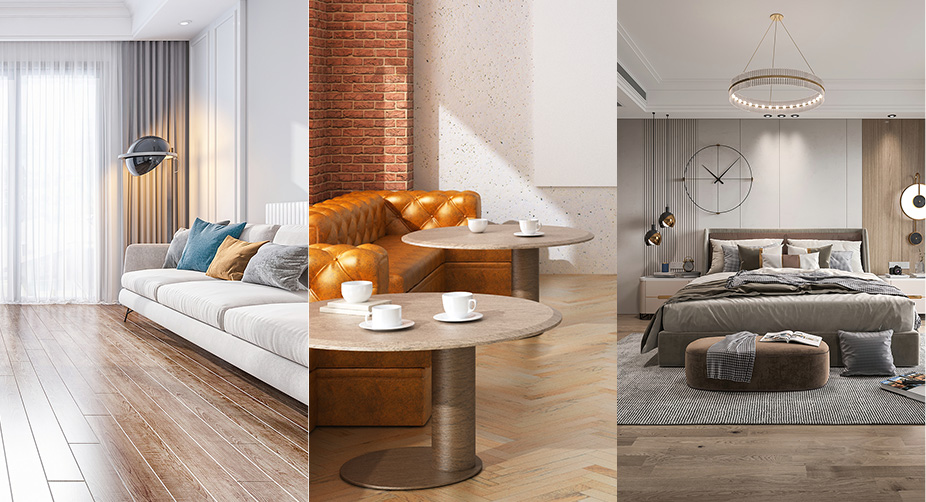
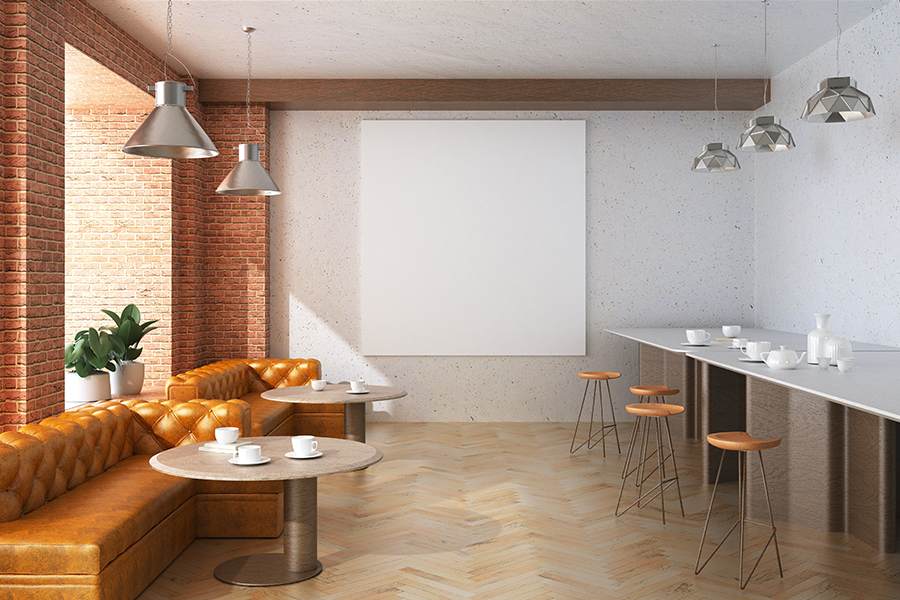
The choice of floor pattern does more than fill a surface — it actively shapes how a room is perceived. Decorative patterned floors work on principles of visual geometry: linear patterns like herringbone and chevron elongate a space along their directional axis, while radial or medallion patterns draw the eye toward a central point, anchoring furniture arrangements in open-plan layouts. Parquet block patterns, by contrast, create a sense of contained order that suits formal or institutional interiors.
Scale is a critical variable that is frequently underestimated. A pattern that reads well in a large showroom can feel oppressive in a 12m² bedroom, while an intricate micro-pattern may visually dissolve in a high-ceilinged lobby. As a general rule, pattern repeat size should not exceed 15% of the shortest room dimension to maintain visual balance. For residential applications, this means most standard herringbone and chevron configurations work well in rooms above 20m², but may need to be scaled down for compact spaces.
DEIF's product range covers the primary decorative floor pattern categories used across residential, commercial and hospitality projects, with customization options available to adapt pattern scale and board dimension to project-specific requirements.
What Makes a Floor "High-Durability": Key Material and Construction Factors
Durability in flooring is not a single property but a composite of several measurable characteristics. For synthetic high-durability floors, the most relevant performance indicators are surface hardness (typically measured by the Janka scale or Brinell hardness test), wear layer thickness, dimensional stability under humidity fluctuation, and resistance to impact and indentation under load.
In engineered and composite flooring systems, dimensional stability is achieved through cross-ply construction — alternating wood fiber layers oriented perpendicular to each other. This counters the natural tendency of wood to expand and contract with seasonal moisture changes. High-quality engineered cores can maintain dimensional tolerance within ±0.5mm across humidity ranges of 35–75% RH, making them suitable for underfloor heating systems and climate-controlled commercial environments where solid wood would be impractical.
Surface wear layer thickness directly determines refinishing potential and service life. Wear layers below 2mm typically allow one to two light sandings; layers of 4mm or above can support two to three full refinishing cycles, effectively doubling the floor's usable lifespan. For high-traffic commercial projects, specifying wear layer thickness is as important as selecting the surface species.
| Wear Layer Thickness |
Refinishing Cycles |
Typical Application |
| < 2mm |
1–2 light sandings |
Low-traffic residential |
| 2–3mm |
2–3 cycles |
Mid-range residential / boutique retail |
| 4mm+ |
3+ full cycles |
Hotel, commercial, high-traffic spaces |
Wear layer thickness and its practical implications for floor longevity and refinishing
Specifying Interior Wood Flooring for Different Space Types
Specification decisions for interior wood flooring vary considerably depending on the space type, subfloor condition, and occupancy pattern. For residential master bedrooms and living areas, the primary considerations are acoustic performance, surface finish texture, and compatibility with underfloor heating if installed. Matte and brushed finishes have largely displaced high-gloss surfaces in contemporary residential interiors, as they better conceal minor scratches and everyday wear while reducing light glare.
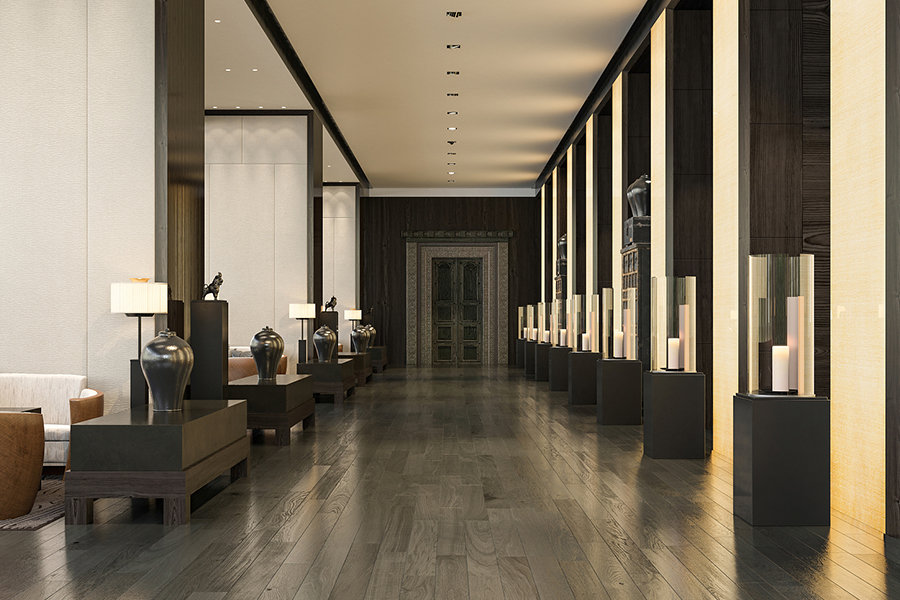
In hotel and hospitality settings, specification priorities shift toward impact resistance, ease of maintenance, and consistent appearance across large installations. Color and grain matching across batch runs is a frequent pain point in large-scale hospitality projects — floors installed in phases over 6–12 months must maintain visual consistency, which requires manufacturers to hold matched inventory or produce from the same raw material batch. This is an area where working directly with manufacturers offering project coordination services provides a meaningful operational advantage.
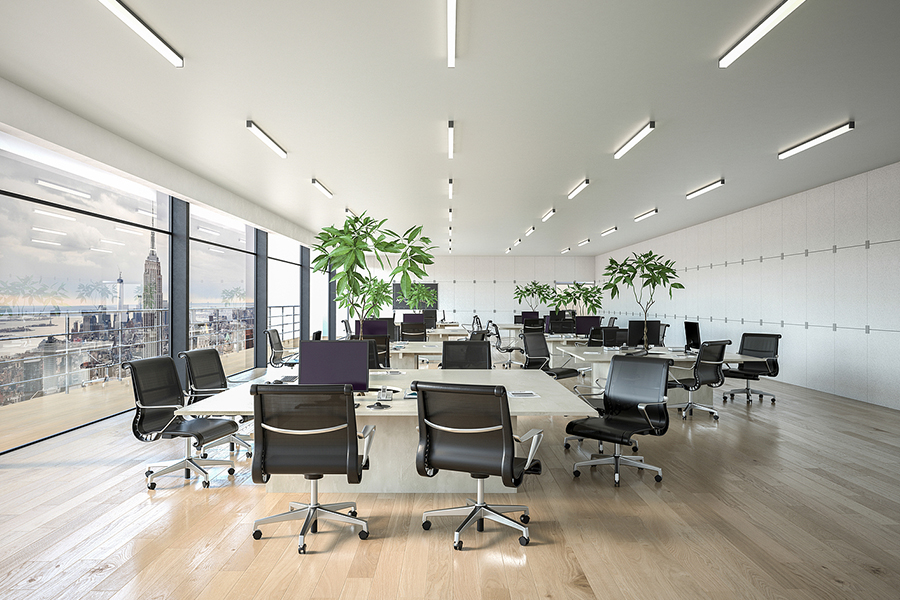
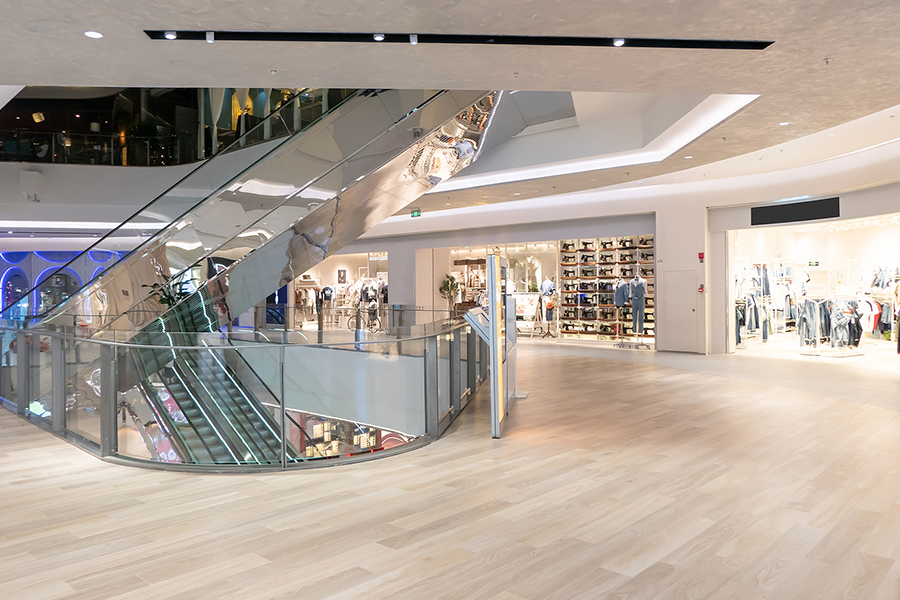
For commercial office and retail environments, slip resistance ratings and fire classification become relevant compliance requirements depending on jurisdiction. EN 13893 (slip resistance) and EN 13501-1 (fire classification) are the primary European standards; equivalent certifications apply in North American and Asia-Pacific markets. Procurement teams should request third-party test reports rather than relying on manufacturer self-declarations for these parameters. With years of industry experience across residential, commercial and hotel projects, DEIF structures its product documentation and technical support to facilitate the specification and compliance process for project teams working across different regulatory environments.
Surface Finishing Options and Their Effect on Performance and Maintenance
The surface finish applied to a wood floor is the primary determinant of both its daily maintenance requirements and its long-term appearance retention. The two dominant systems in contemporary production are UV-cured polyurethane (PU) coatings and oil-wax penetrating finishes, each with distinct performance profiles suited to different use cases.
UV-cured PU coatings form a hard, sealed surface layer above the wood. This provides strong resistance to water ingress, staining and abrasion, and requires minimal maintenance beyond regular dry or damp mopping. The trade-off is that surface damage — scratches, dents — is more visually apparent and requires professional refinishing to repair, as spot treatments are difficult to blend invisibly.
Penetrating oil-wax systems soak into the wood fiber rather than forming a surface film. This preserves a more natural texture and allows for easy spot repairs — damaged areas can be hand-sanded and re-oiled without affecting surrounding sections. The maintenance requirement is higher: periodic re-oiling (typically every 1–2 years in residential use, more frequently in commercial applications) is necessary to maintain protective properties. For high-end residential and boutique hospitality projects where tactile authenticity is a design priority, oil-finished floors remain the preferred specification despite the additional maintenance commitment.




 English
 Español
 عربى
عربى