What Maintenance Advantages Does Solid Teak Wood Flooring Offer Over Engineered Options?
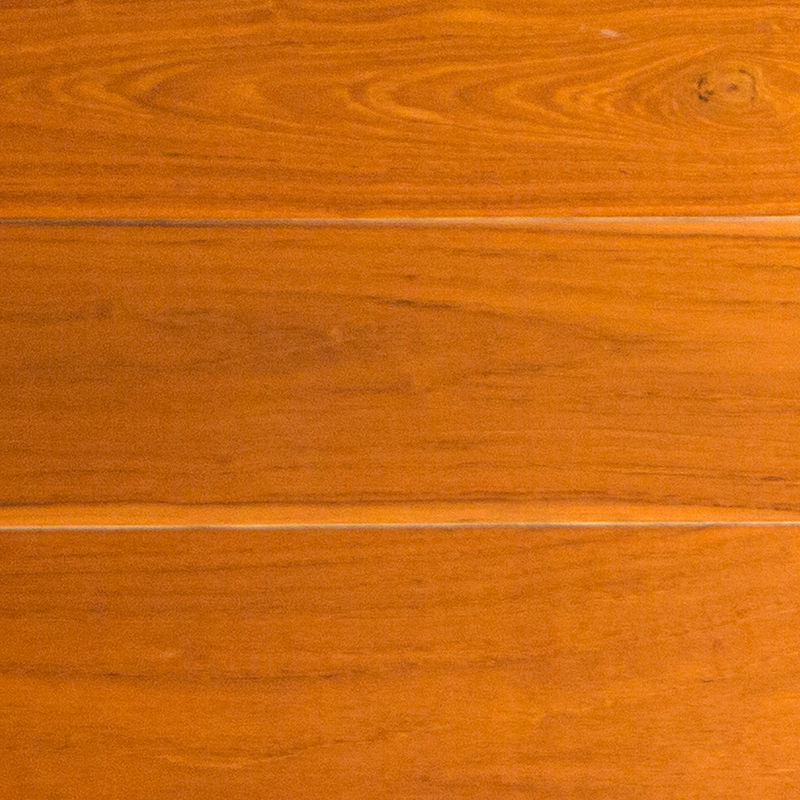
Solid wood flooring continues to be a preferred choice in high-end interior applications due to its natural durability, stability, and long maintenance cycle. Among various hardwood options, solid teak wood flooring made from Tectona grandis stands out for its exceptional resistance to moisture variation, surface wear, and long-term structural stability. Understanding its maintenance advantages over engineered alternatives is essential for architects, distributors, and flooring project planners.
Natural Oil Content Reduces Maintenance Frequency
One of the key advantages of solid teak wood flooring is its naturally high oil content. This biological property helps the surface resist water penetration, stains, and microbial growth. Unlike engineered flooring that often relies on surface coatings, teak maintains protection from within the wood fiber itself.
This means:
- Less frequent refinishing cycles
- Reduced dependency on chemical sealants
- More stable appearance over long-term use
Superior Sanding and Restoration Capability
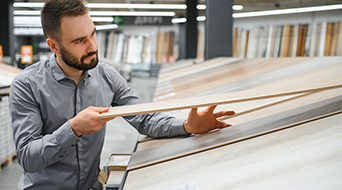
Solid teak flooring allows multiple deep sanding cycles due to its full-thickness structure. In contrast, engineered flooring has a limited wear layer, restricting restoration opportunities.
This makes solid teak wood flooring more suitable for:
- Long-term commercial installations
- High-traffic residential environments
- Heritage or luxury renovation projects
A well-established tectona grandis flooring factory typically designs solid teak boards with restoration longevity in mind, ensuring decades of usable life with proper maintenance.
Dimensional Stability Under Environmental Changes
Solid teak exhibits stable performance under fluctuating humidity conditions. While engineered boards rely on layered construction to minimize movement, solid teak naturally balances internal tension due to its dense fiber structure.
This reduces:
- Surface warping
- Edge lifting
- Joint separation
As a result, maintenance interventions such as re-leveling or reinstallation are significantly minimized.
Simplified Surface Care Routine
Daily and periodic maintenance of solid teak wood flooring is straightforward. Routine sweeping, dry mopping, and occasional oil-based conditioning are generally sufficient. Engineered flooring often requires stricter humidity control and coating compatibility checks.
Comparison Overview
| Aspect |
Solid Teak Wood Flooring |
Engineered Flooring |
| Maintenance Frequency |
Low |
Medium to High |
| Refinishing Cycles |
Multiple |
Limited |
| Moisture Resistance |
Naturally high |
Layer-dependent |
| Surface Treatment Needs |
Minimal |
Regular sealing required |
| Lifespan Potential |
Long-term |
Moderate |
Long-Term Value with Reduced Lifecycle Cost
From a lifecycle perspective, solid teak flooring reduces the need for frequent replacement or intensive restoration. This contributes to lower long-term maintenance expenditure, particularly in hospitality and premium residential developments.
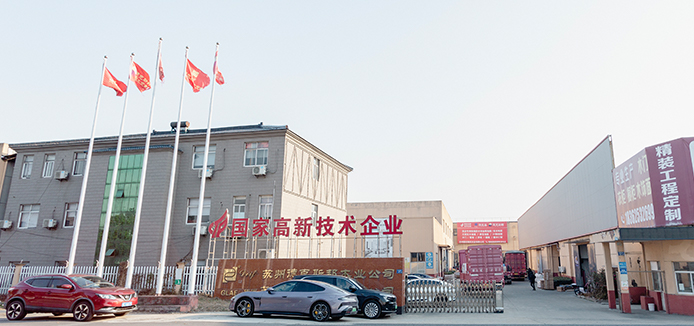
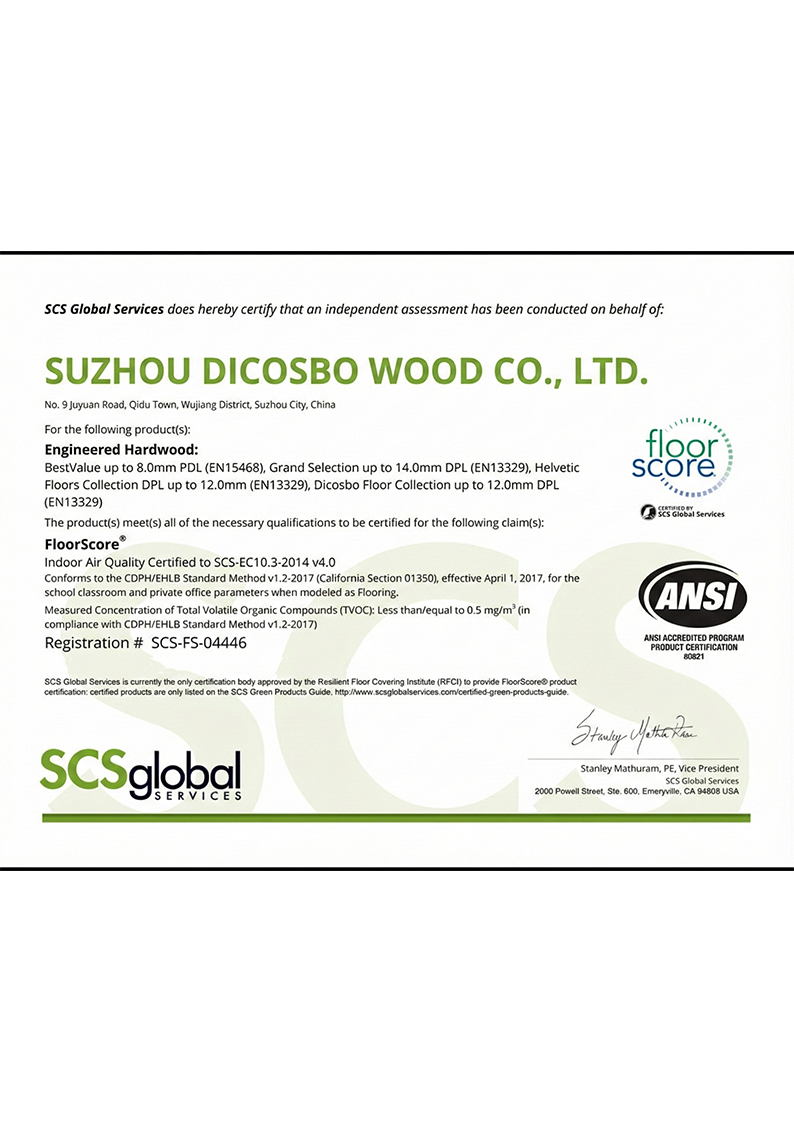
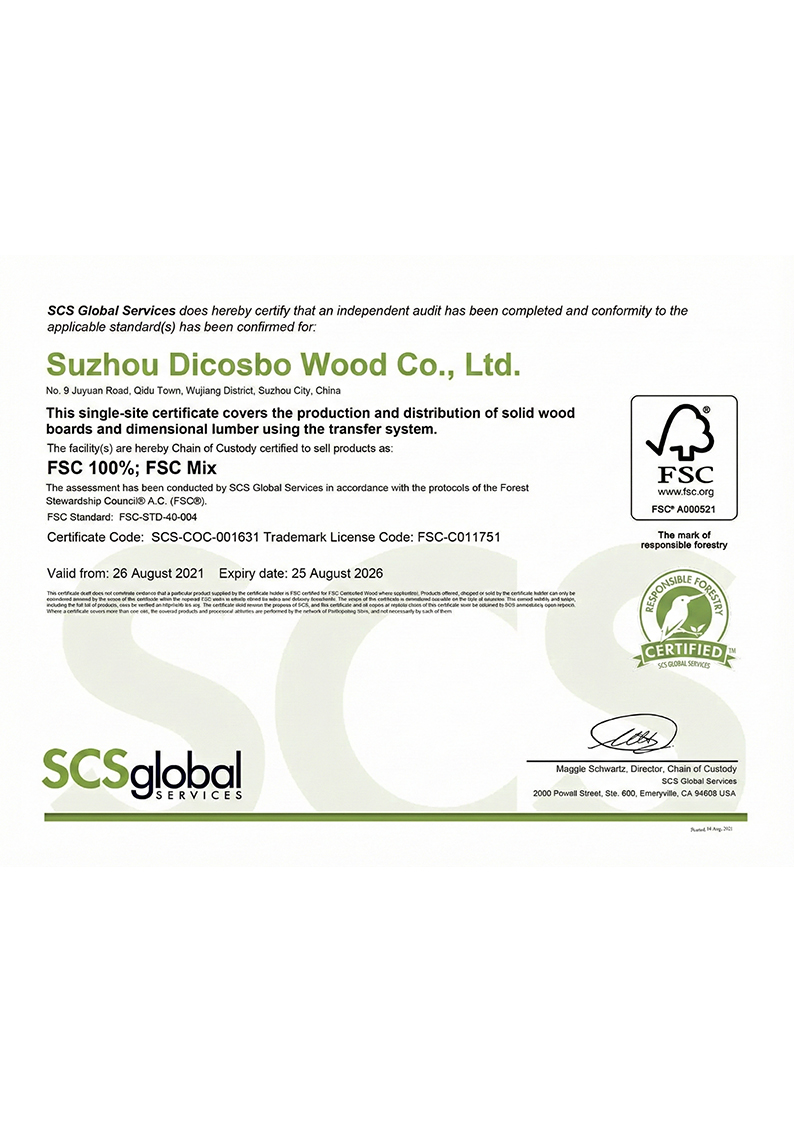
Suzhou Dicosbo Wood Co,. Ltd. integrates OEM/ODM customization into its flooring solutions, offering 72-hour rapid prototyping, flexible sizing, finishing, and packaging services. Their dedicated design team supports project-specific requirements, ensuring maintenance efficiency is considered from the production stage.
In addition, engineered supply chains linked with a tectona grandis flooring factory often focus on stabilizing raw material processing, but solid teak still maintains an advantage in long-term repairability.
Surface Aging and Aesthetic Stability
Unlike engineered alternatives that may show layer mismatch after repeated refinishing, solid teak develops a natural patina over time. This aging process enhances visual depth rather than diminishing appearance quality, reducing the need for cosmetic replacement. In terms of maintenance performance, solid teak wood flooring demonstrates clear advantages in restoration capability, environmental stability, and long-term care efficiency.
FAQ
Q1: Is solid teak wood flooring difficult to maintain compared to engineered flooring?
No. It requires simpler routine care and fewer chemical treatments due to its natural oil content.
Q2: Can solid teak flooring be refinished multiple times?
Yes. It can be sanded and refinished several times, extending its service life significantly.
Q3: Does humidity affect solid teak wood flooring?
It is more stable than many hardwoods, with lower sensitivity to humidity changes.
Q4: What makes teak different from engineered flooring in maintenance?
Teak’s solid structure allows easier restoration and less dependency on surface coatings.
Q5: Is customization available for solid teak flooring products?
Yes. Suzhou Dicosbo Wood Co,. Ltd. offers OEM/ODM customization including sizes, finishes, and packaging solutions.




 English
 Español
 عربى
عربى